
Classroom enrolment until 31 October · one-on-one — start any time
General Freight Dispatch —the dispatcher's jobon the US market.
You find the load on the board, work out the rate, agree it with the broker and run the trip through to payment. We work with every truck posted on DAT and Truckstop. The format — a Chișinău classroom or one-on-one online — you choose below.
Choose your format
One programme, two ways through it. The price covers the whole course.
Your choice
Chișinău classroom
Mini-group · Bd. Decebal 6
- 6 classes
- ≈1.5 hours
- Saturdays, 16:00
- up to 8 people
Two instalments available · Starts 31 October
Individual · online
One-on-one
- 8 sessions
- 60 minutes each
- flexible schedule
- from any city
Two instalments available · Individual start — by arrangement
You pay after talking to the manager, and can split it in two — nothing to pay on the website.
Starts 31 October, 16:00Individual start · online
Bd. Decebal 6, 4th floor · Totem CoWorkingFrom any city · a schedule built around you
01What is hauled
Every truck you will findon DAT and Truckstop
We do not stop at one trailer type: the course covers everything that actually gets posted on the boards. Each type has its own requirements, its own rates and its own call with the broker.
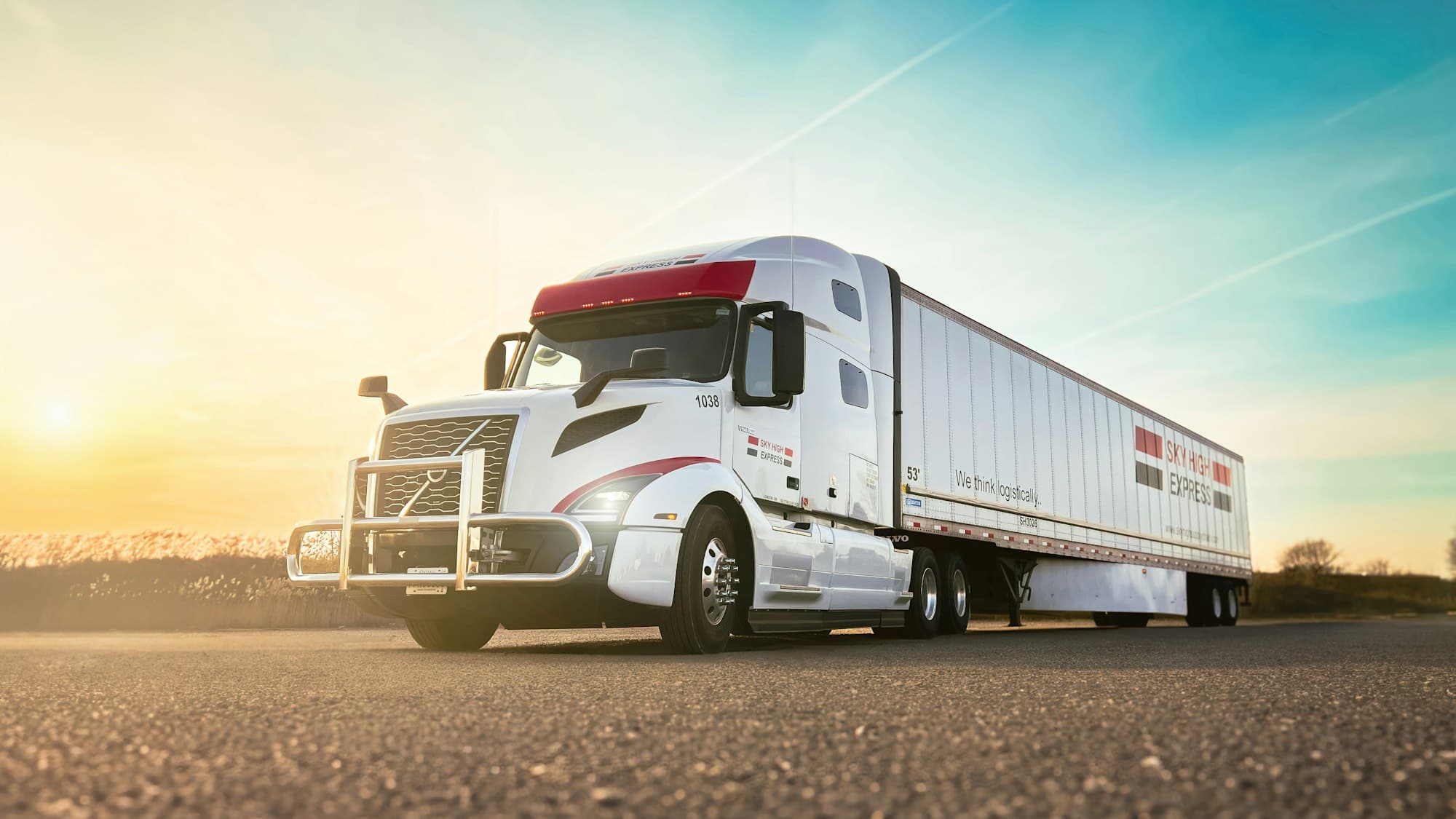
Dry Van
An enclosed trailer — the most common freight: goods, packaging, pallets.
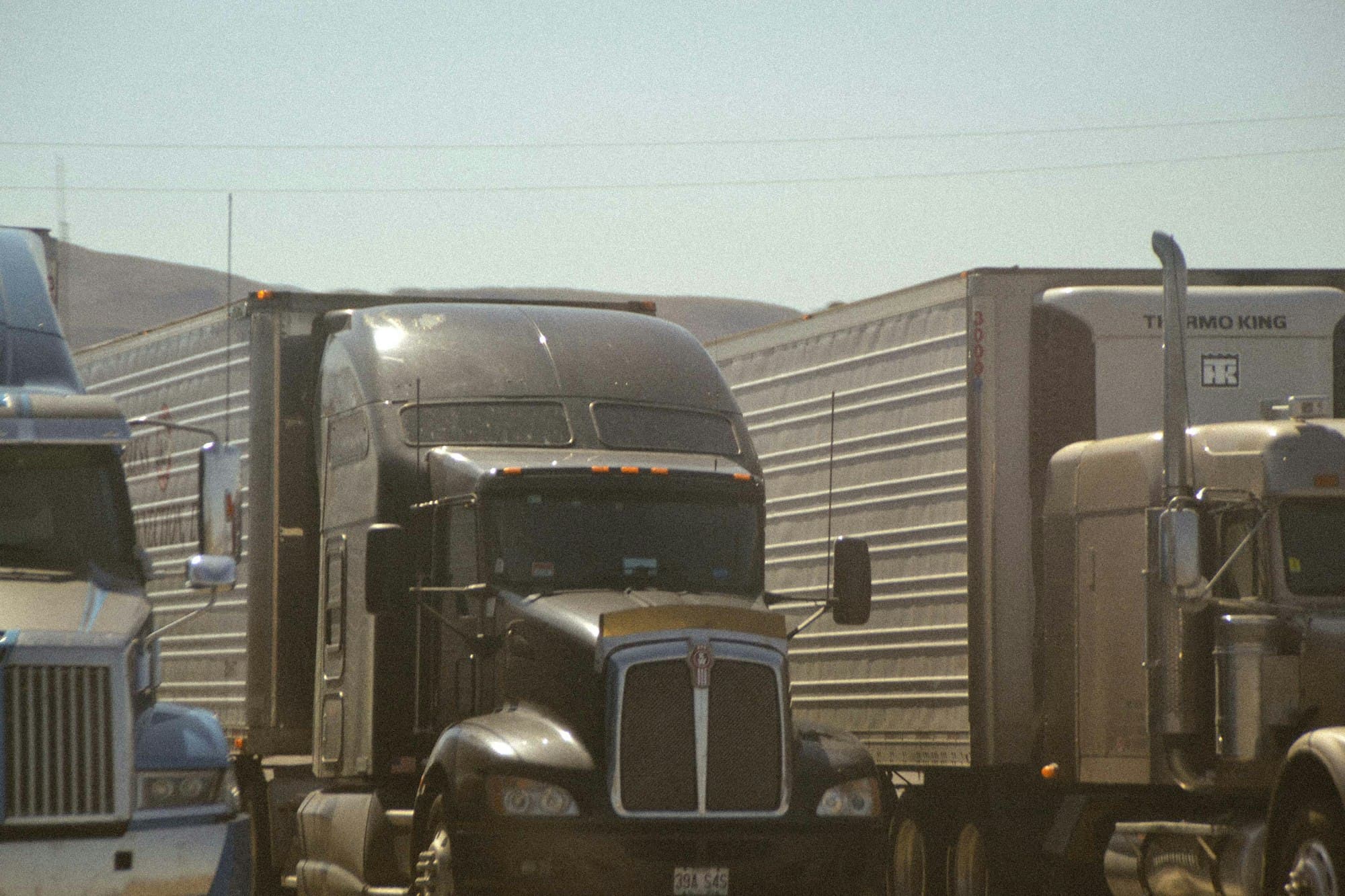
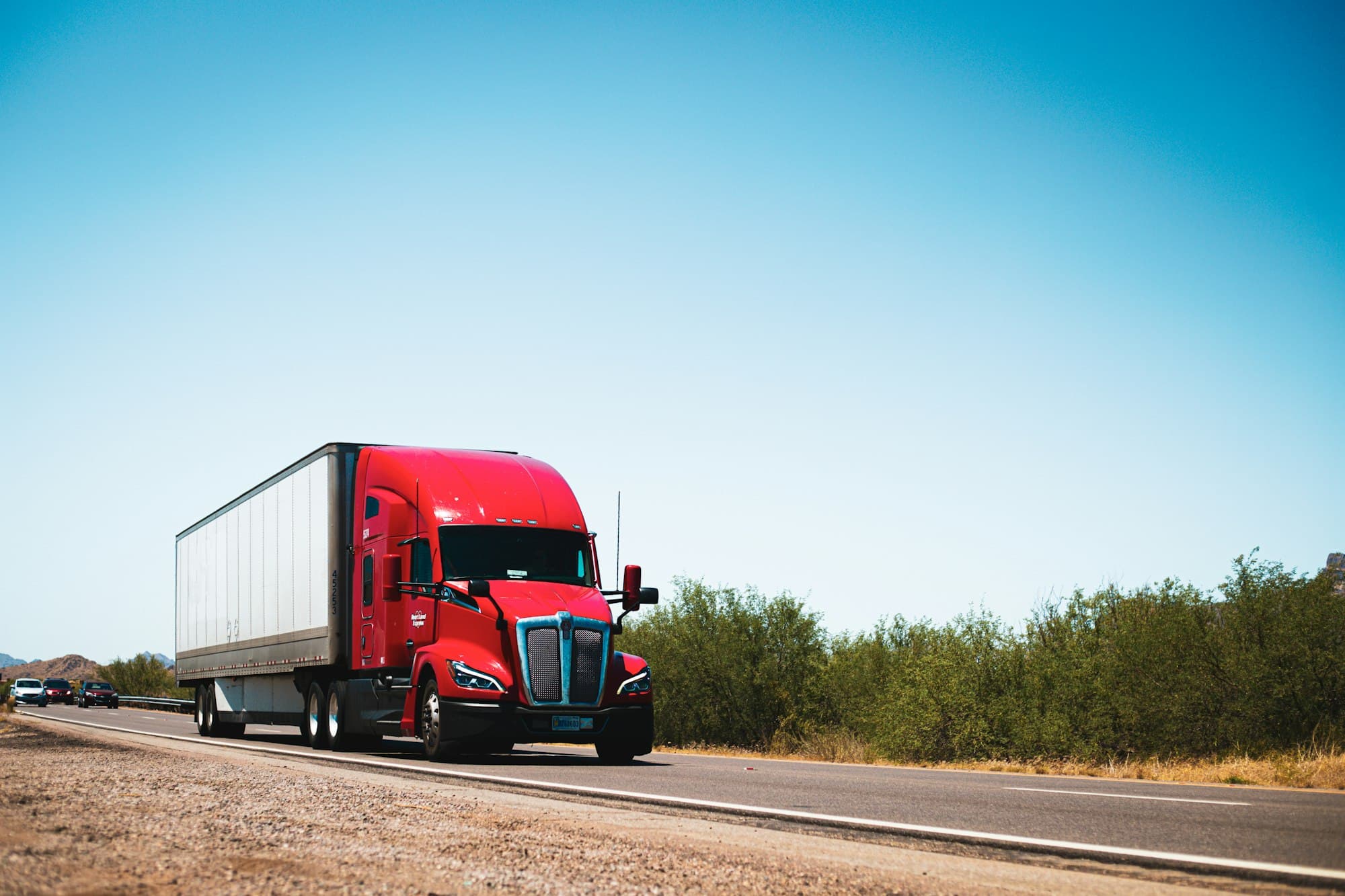
Reefer
A refrigerated trailer — food and anything that travels temperature-controlled.
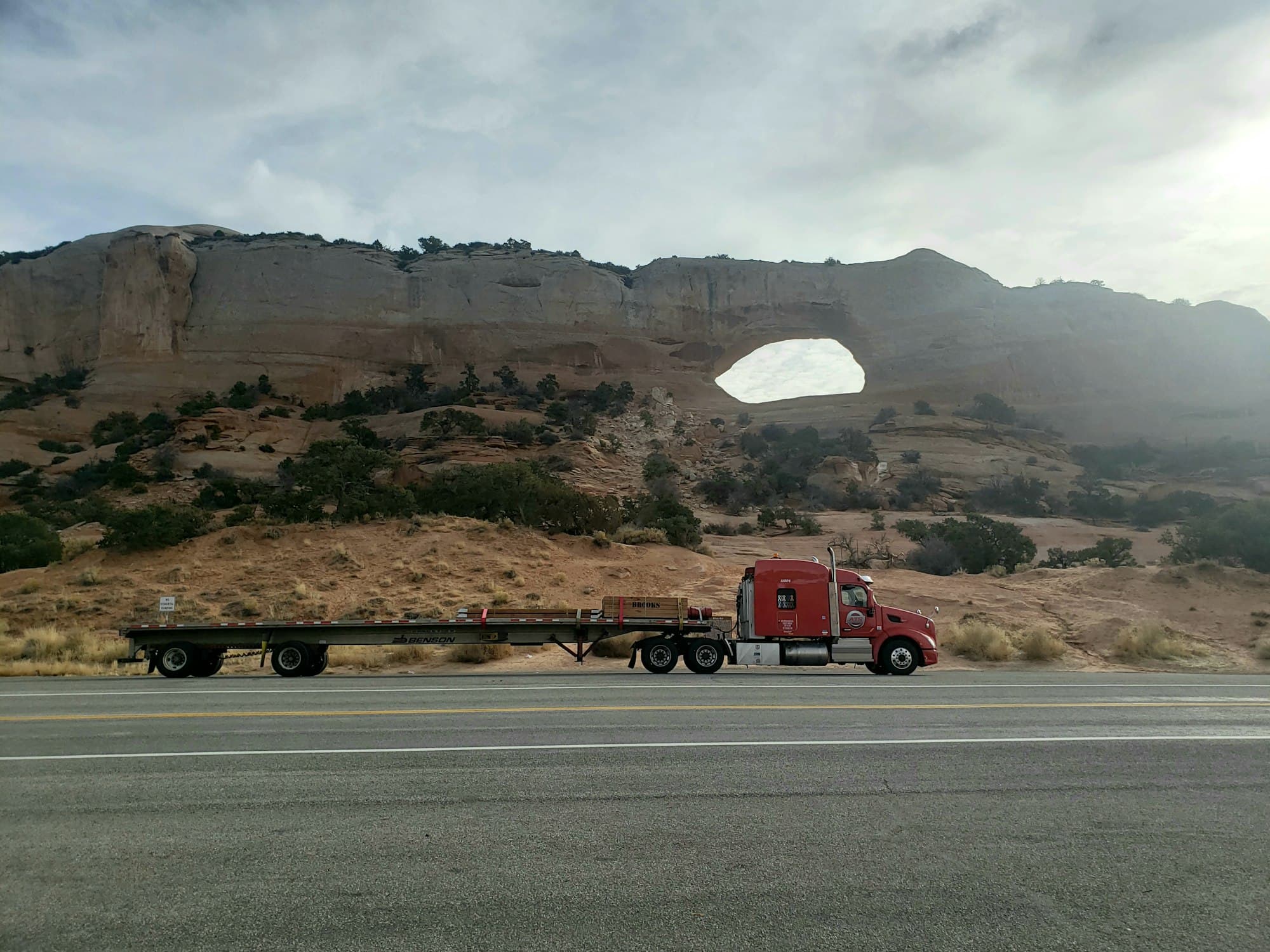
Flatbed
An open deck — building materials, machinery, oversized loads.
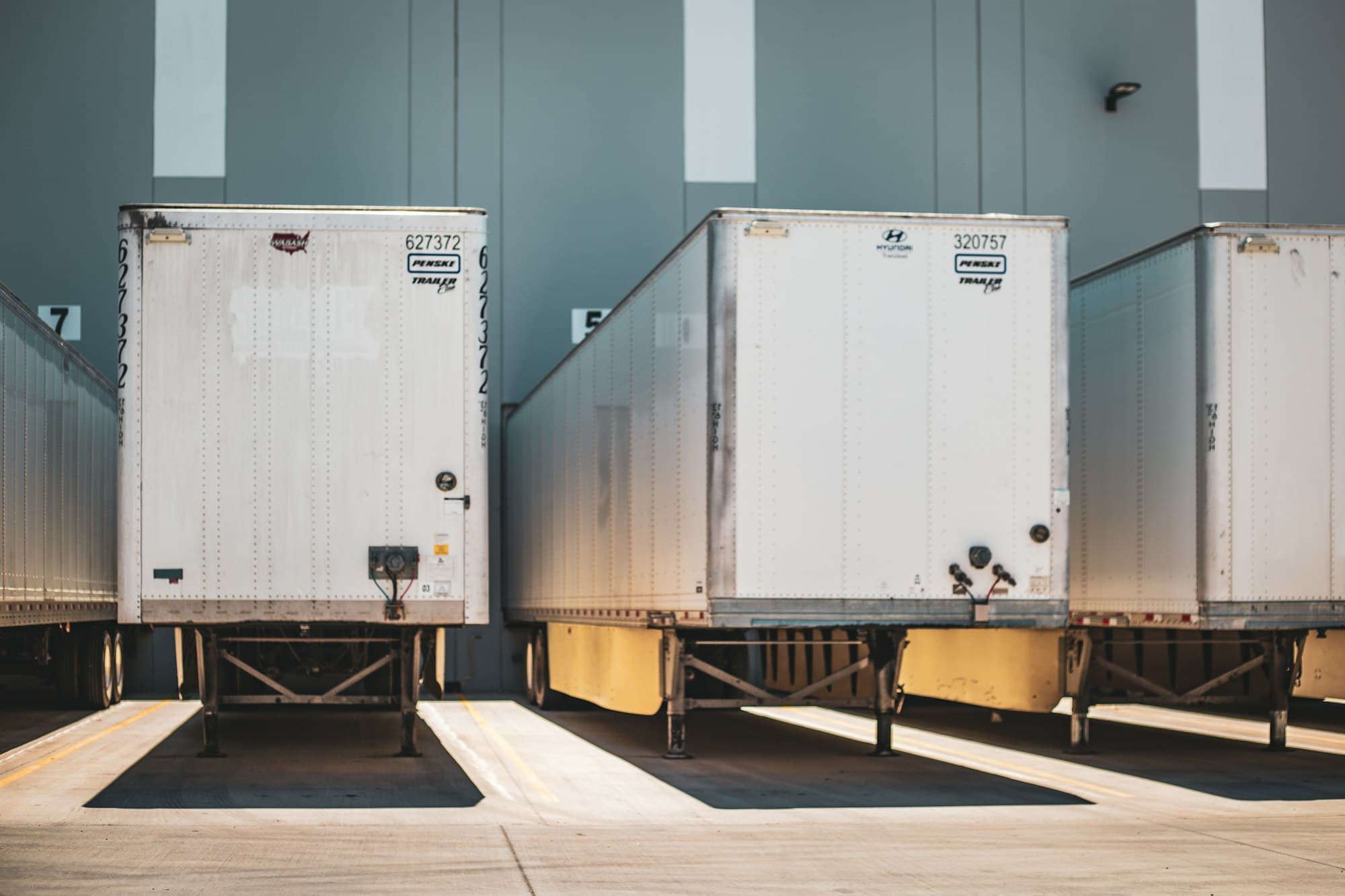
Power Only
A tractor without its own trailer — it picks up the customer's trailer and hauls it.
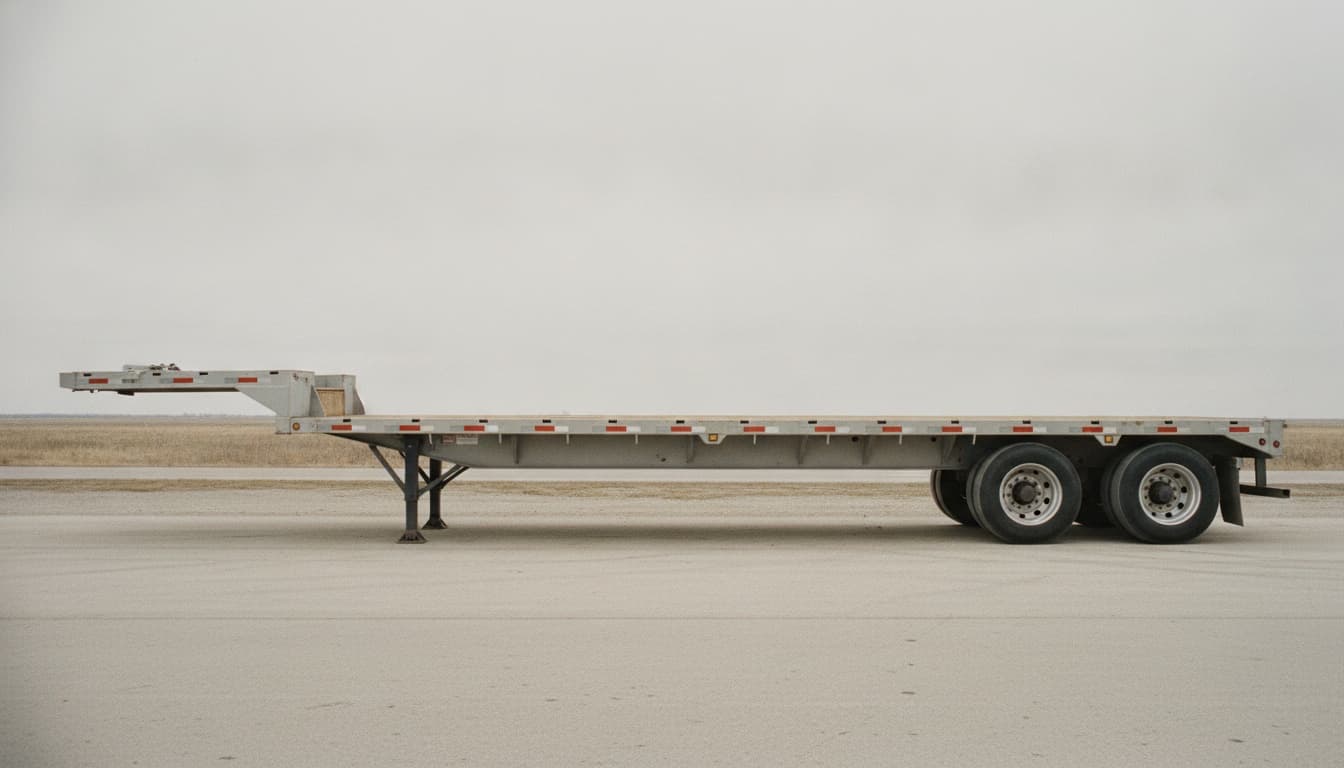
Step Deck
A drop-deck platform for taller-than-standard freight.
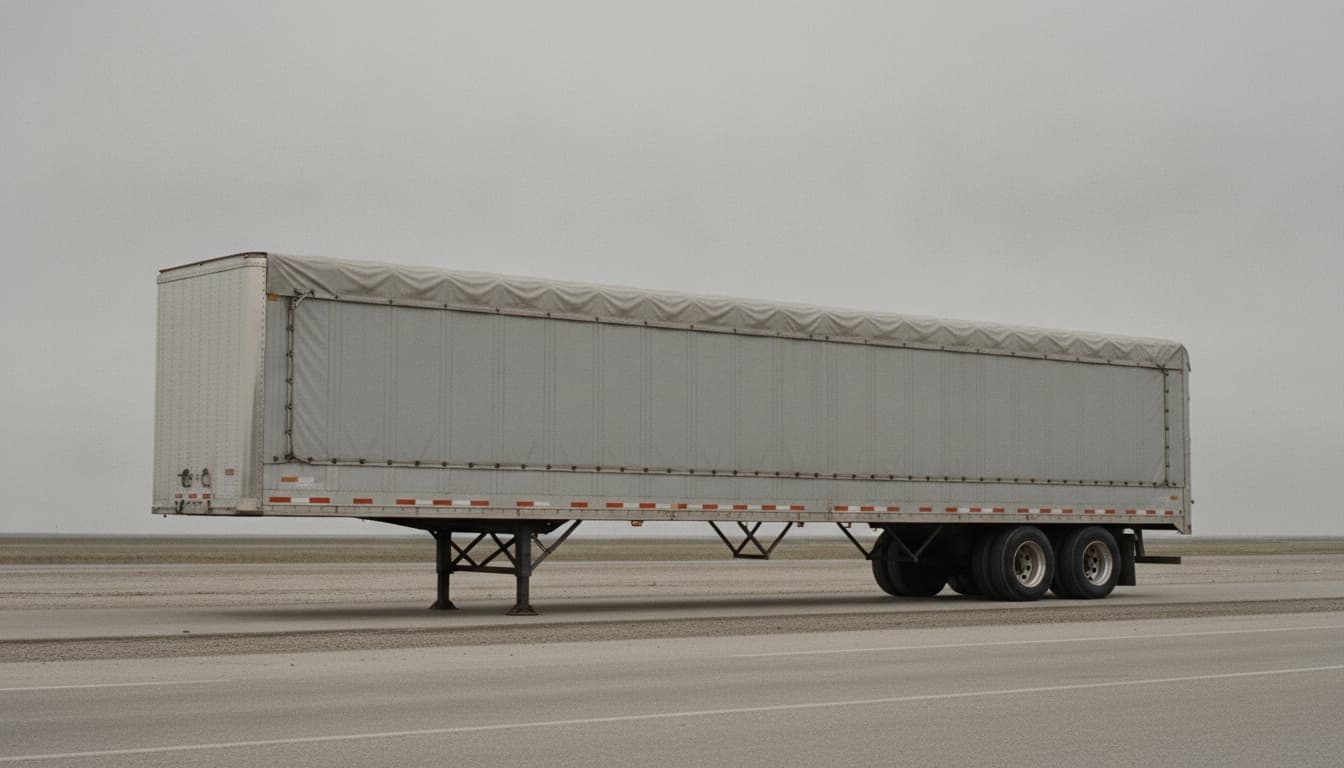
Conestoga
A rolling-tarp flatbed — covered freight, loaded from the top and sides.
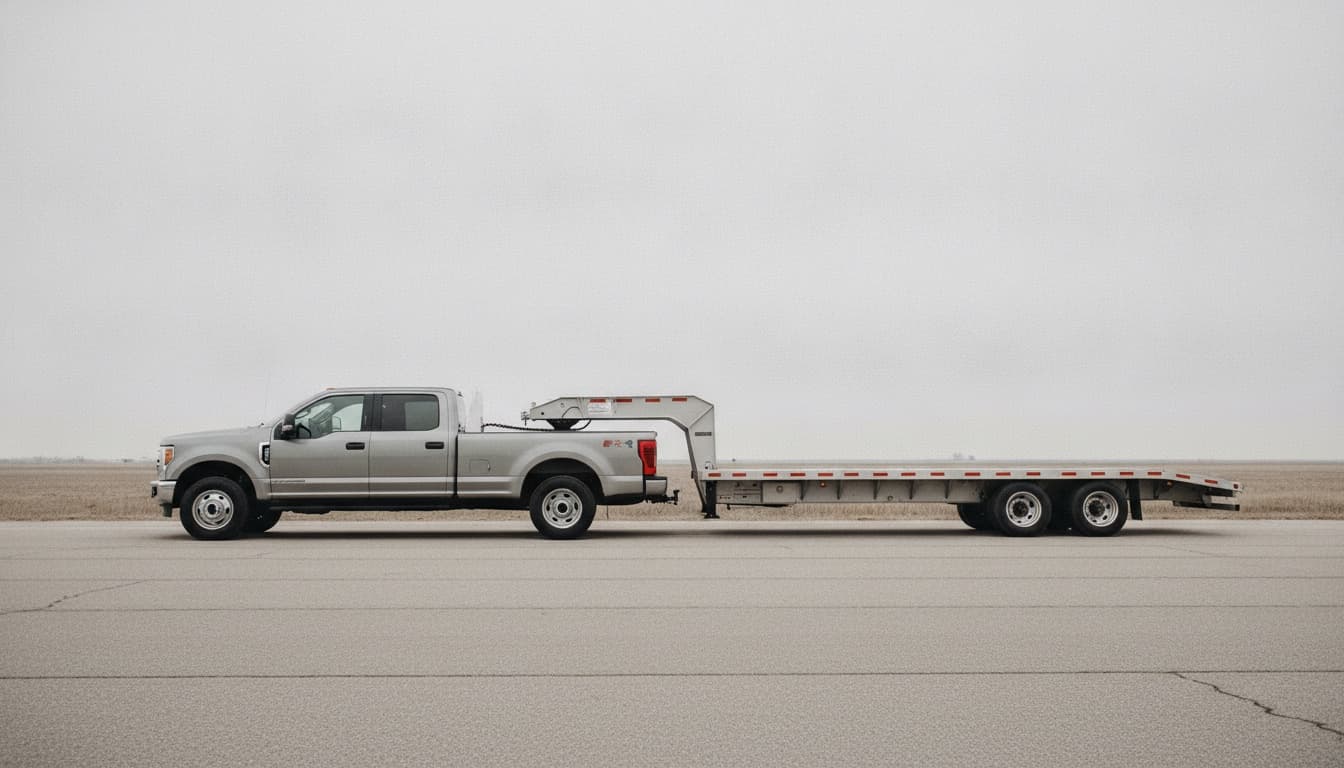
Hotshot
A pickup with a gooseneck trailer — urgent, smaller loads.
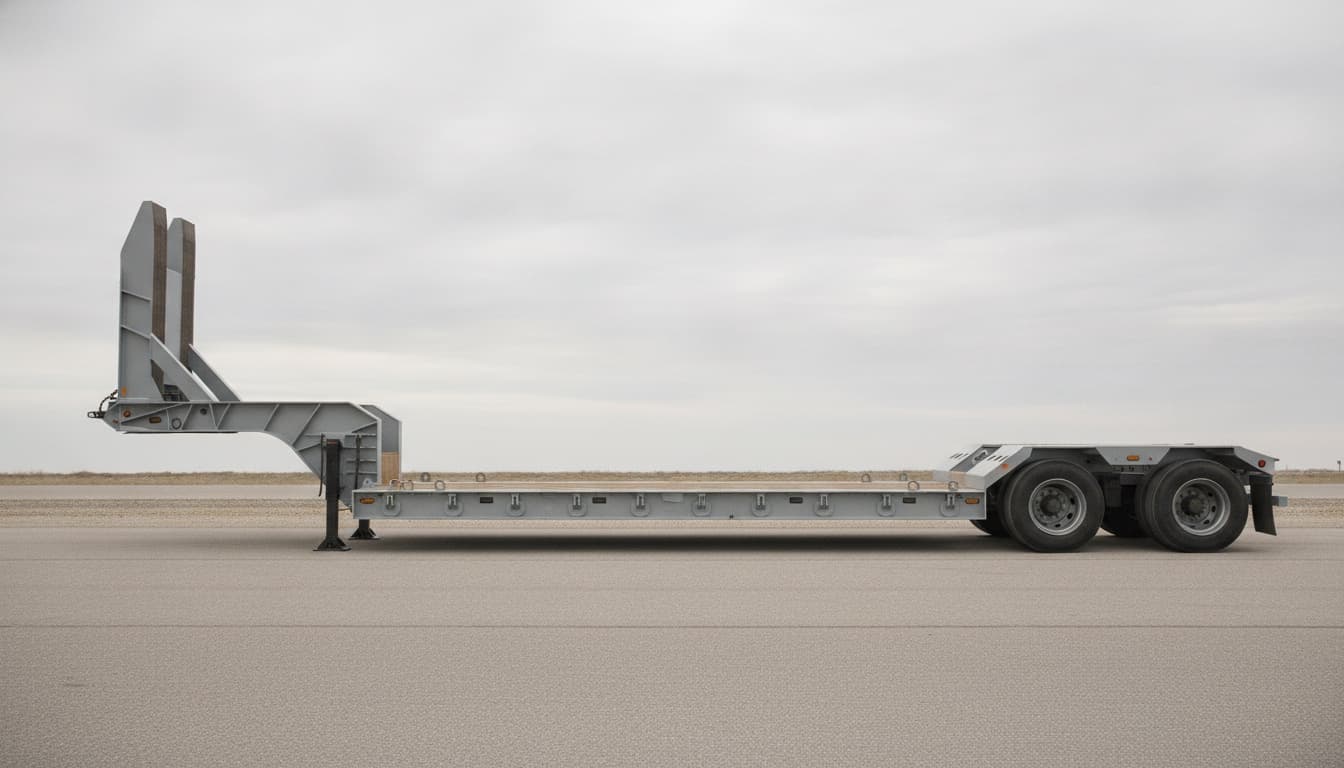
Lowboy / RGN
A low platform for machinery and oversized loads.
A trailer type is not a separate profession: the mechanics of searching, pricing and calling stay the same — what changes is the freight requirements and the questions you ask.
What each trailer type means — in the glossary of the trade02The programme
6 classes —each with practice
Theory, then practice on working scenarios right after it. A class is about an hour and a half; the course takes about a month and a half.
The next group
Starts 31 October · Saturdays at 16:00 · up to 8 seats
8 sessions —one-on-one, online
The same programme, laid out as 8 sessions of 60 minutes: the pace and schedule are yours, and it is your own work that gets reviewed. The course takes about a month.
Your schedule
Start by arrangement · 8 sessions of 60 minutes · online
The US general freight market
Who takes part in a trip: shipper, broker, carrier, driver. How the freight and the money move, who pays whom and what the dispatcher is responsible for.
Trailer and freight types
Dry van, reefer, flatbed, step deck, conestoga, power only: what goes in which, weights and dimensions, securement and tarps — and where beginners most often go wrong.
Load boards
Working in DAT and Truckstop: filters and saved searches, judging a rate, dollars per mile, empty miles, payment terms, checking the broker.
Negotiating with brokers
The call script from hello to confirmation: what you must ask, where to negotiate, how to close the call and get the Rate Confirmation.
Paperwork and running the trip
Rate Confirmation, BOL, POD, invoice, detention and layover. The trip from pick-up to delivery: statuses, problem situations, money.
Live practice and the final debrief
Finding real loads for a specific truck, working out rates, simulated calls. A final debrief: a CV and the first steps after the course.
The market and the dispatcher's role
Who takes part in a trip: shipper, broker, carrier, driver. How freight and money move, what the dispatcher is responsible for and how they earn.
Trailer and freight types
Dry van, reefer, flatbed, step deck, conestoga, power only: what goes in which, weights and dimensions, securement and tarps. Worked through for the truck you want to run.
The boards: DAT and Truckstop
A live walkthrough on the academy's account: filters and saved searches, reading a listing, checking the broker. We set the search up for your scenario.
Practice: finding and pricing a load
You search for loads yourself with the instructor beside you. Dollars per mile, empty miles, payment terms — calculated on real listings until the maths gets fast.
Negotiating with the broker
The call script from hello to Rate Confirmation: what you must ask, where to negotiate, how to close. Pronunciation and pauses are worked on separately.
Practice: calls
One-on-one practice calls: you talk, the instructor listens and debriefs. By agreement — real calls on the loads you found.
Paperwork and running the trip
Rate Confirmation, BOL, POD, invoice, detention and layover. The trip from pick-up to payment: statuses, problem situations, money.
Your route in and the final debrief
A CV for the US market, interview prep, the first steps after the course. The final debrief runs on your own loads from the practice sessions.
03How the week works
How a week oftraining works
One class a week — not because it is easier, but because the main thing happens between classes: a week of real work, then reviewed for every student.
The class
The instructor demonstrates on a live board and in a broker call, then everyone tries it themselves — once or twice, with the instructor present.
A week of practice
A substantial assignment on the academy's working accounts under the instructor's supervision: finding loads for a specific truck, calling brokers, handling paperwork — like on the job, all week.
The review
The next class opens with a review of every student's assignment: what you found, how you called, where you slipped.
Six such cycles — and by graduation you have five weeks of real work on the boards behind you, not a notebook.
Students do not need their own board subscriptions: practice runs on the academy's accounts.
03How the week works
How a week oftraining works
One class a week — not because it is easier, but because the main thing happens between classes: a week of real work, then reviewed for every student.
The class
The instructor demonstrates on a live board and in a broker call, then everyone tries it themselves — once or twice, with the instructor present.
A week of practice
A substantial assignment on the academy's working accounts under the instructor's supervision: finding loads for a specific truck, calling brokers, handling paperwork — like on the job, all week.
The review
The next class opens with a review of every student's assignment: what you found, how you called, where you slipped.
Eight sessions — eight such cycles: an assignment on the working accounts between meetings, a review of your own work at each one.
Students do not need their own board subscriptions: practice runs on the academy's accounts.
04The result
What you can doafter the course
Find and assess loads on DAT and Truckstop, and set up a search for a specific truck
Tell dry van, reefer, flatbed, step deck and conestoga apart — and know what changes in the requirements
Talk to brokers using ready scripts, negotiate and confirm the rate
Read and prepare documents: Rate Confirmation, BOL, POD, invoice
Run a trip: loading, statuses, detention, problem situations
Work out dollars per mile and understand what a truck's income is made of
Certificate
After the final debrief — the academy's General Freight Dispatch certificate. It confirms the practice you completed, not the fact that you paid.
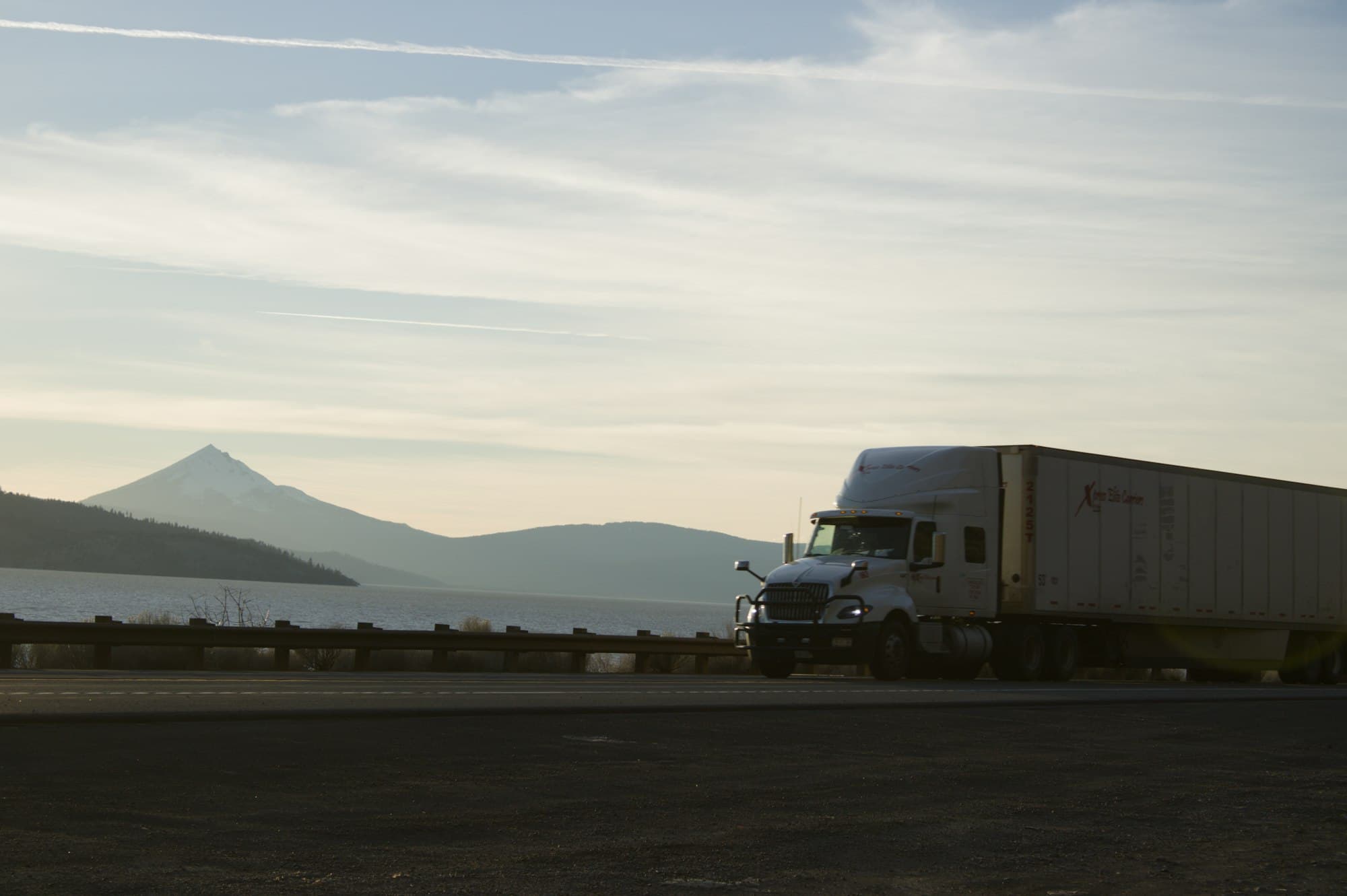
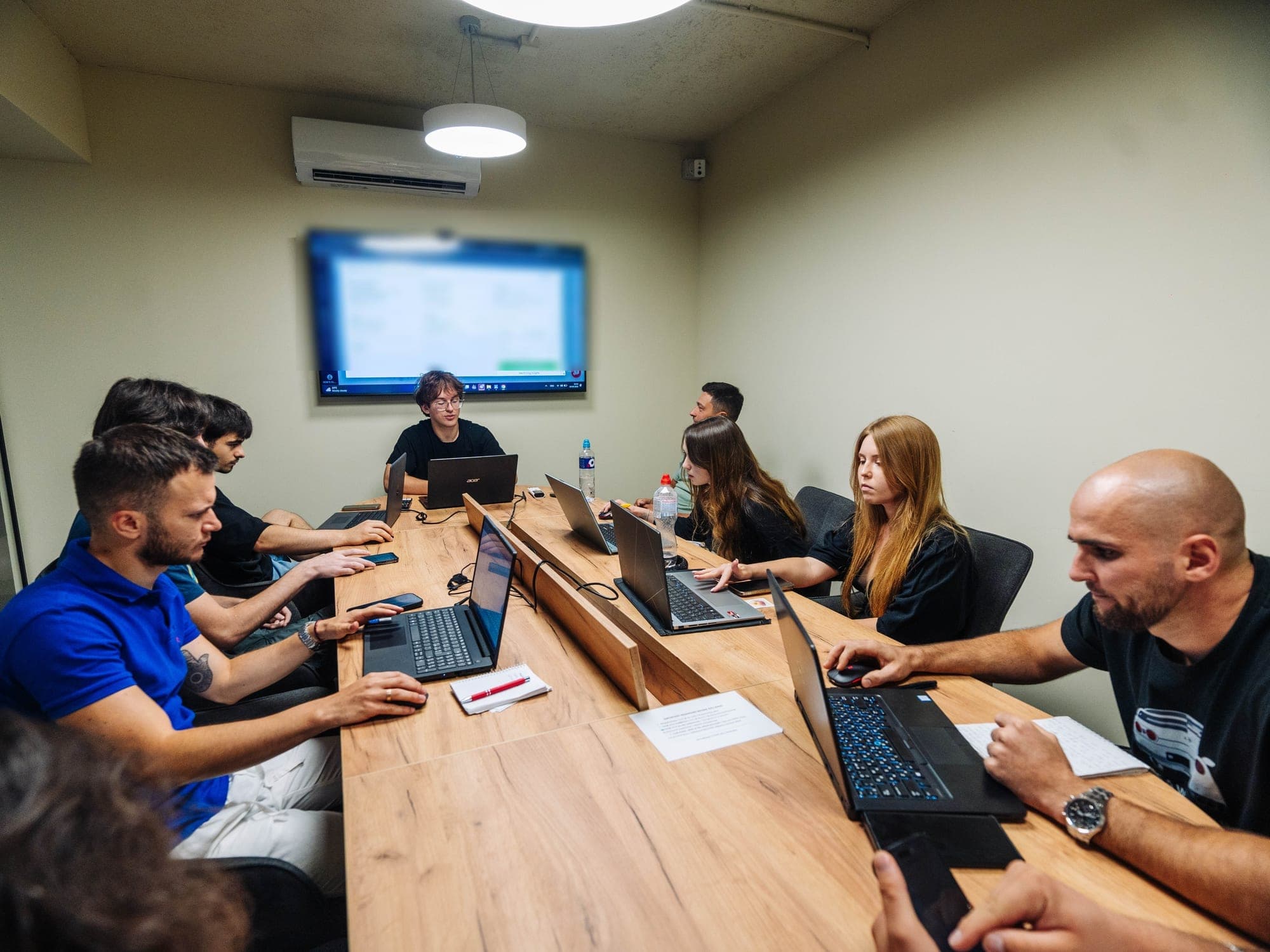

The academy's classroom in Chișinău — this is where the direction's classes are held.
05The instructor
Who leadsthe direction

Mihai
Instructor of the General Freight Dispatch track
In their own words
In 4 years in US Freight Dispatch I have worked with practically every main type of freight.
Dry Van, Reefer, Flatbed, Step Deck, Conestoga, Power Only — and for the last 2 years especially closely with flatbeds. On the course we go through DAT and Truckstop, learn to calculate rates, talk to brokers and run a load from pickup to delivery. All on real working situations.
In short
- 4 years
- in US Freight Dispatch
- 2 years
- closely with flatbeds
- 6 types
- Dry Van, Reefer, Flatbed, Step Deck, Conestoga, Power Only
Mihai runs the direction himself, and the programme rests on his own practice: from dry van to the flatbeds his last two years went into. Real rates, real broker calls and real loads get worked through — not textbook examples. That is why the group stays small — up to 8 people in the classroom: he can see every student. In the one-on-one format that attention is entirely yours: the same real rates and calls, but only your work gets reviewed.
06Learning live
What a classroom givesthat a screen does not
The instructor is right there: a question is answered on the spot, not in chat
The discipline of a schedule: harder to drop than an online course
Live walkthroughs of calls and situations with the whole group
The academy's atmosphere: you learn among people with the same goal
Bd. Decebal 6, 4th floor · Totem CoWorking
You can come and see the classroom before the start — call or message us.
Video: how to reach the office (1 min)06One-on-one
What the one-on-oneformat gives you
Your own work gets reviewed, not the group average
A flexible schedule: sessions at a convenient time, from any city
Questions are settled on the spot, in the session with the instructor
The same direction instructor and the same academy working accounts
How a session runs
60 minutes online with the instructor: homework review, theory and practice on the academy's working accounts under the instructor's supervision.
Common questions about the direction
They find a load on the board for a specific truck, work out whether the trip pays, agree the rate with the broker, handle the paperwork and run the trip from pick-up to payment. It is remote work for US carrier companies.
Yes — in the one-on-one format: 8 online sessions of 60 minutes with the direction's instructor, on a schedule built around you. The Chișinău classroom remains for those who value the group and the live atmosphere.
A laptop in class and at home, basic English and a willingness to do the homework. Everything else — the terminology, the tools and the call scripts — is taught on the course.
Yes — the programme is built from zero: from how the US freight market works and the basic terms all the way to practice. You do not need logistics experience. You need the willingness to learn and to do the homework.
The price is fixed: €199 for the online group, €299 for the in-person group, €399 for the one-on-one format, €399 for the General Freight classroom and €499 for General Freight one-on-one. The online group is paid in one payment; the other formats can be paid in full or split in two: the first part at the start of the course, the second mid-course. We go through all the terms on the consultation, before any payment.
The rest of the answers — in the full FAQ.
07Finding work
An honest look atwhat comes after the course
We do not sell the fairy tale of "you paid, so you got a job". Here is what actually happens — two levels of help.
80%+
of our graduates start working within the first weeks after the course. That is across all graduates, not a promise to you personally.
For strong students
Partner trucking companies
We work with trucking companies and, when employers are interested, we refer our students to them. It is an opportunity strong students earn through results — not a clause in a contract.
For every graduate
You are taught by a US-market practitioner
Mihai has four years in US Freight Dispatch — and together with him you:
learn where and how to look for work
put your CV together
prepare for the interview
search for real openings together in the last lesson
Nobody can guarantee employment — the result depends on your practice and your English. But you do not leave the course into a void: you leave with a plan, a finished CV and a first list of openings.

Enrolling until 31 October · up to 8 people · Chișinău
Take your seat before 31 October
Leave a request — we will tell you when the group starts, answer your questions and hold a seat for you. The price is 399 € for the whole course. Payable in two instalments.
One-on-one · 8 sessions · online
Take a seat in the one-on-one format
Leave a request — we will agree the schedule and start, and answer your questions. The price is 499 € for the whole course. Payable in two instalments.
Not sure this is your format? A free consultation — we will look at your situation, without pressure.